Skip to content
Every Peptide Explained & Sourced
Recovery Research

WOLVERINE

5.0ReviewsRead more

Built for the comeback, Wolverine combines BPC-157 and TB-500 in a recovery-focused blend designed to support tissue repair, mobility, and physical resilience. It is commonly explored for helping muscles, tendons, and ligaments recover from intense training, strain, or injury—so the body can rebuild, move better, and return stronger.

Batch details included Manufactured in Canada
$113 CADCAD · shipping and taxes shown at checkout

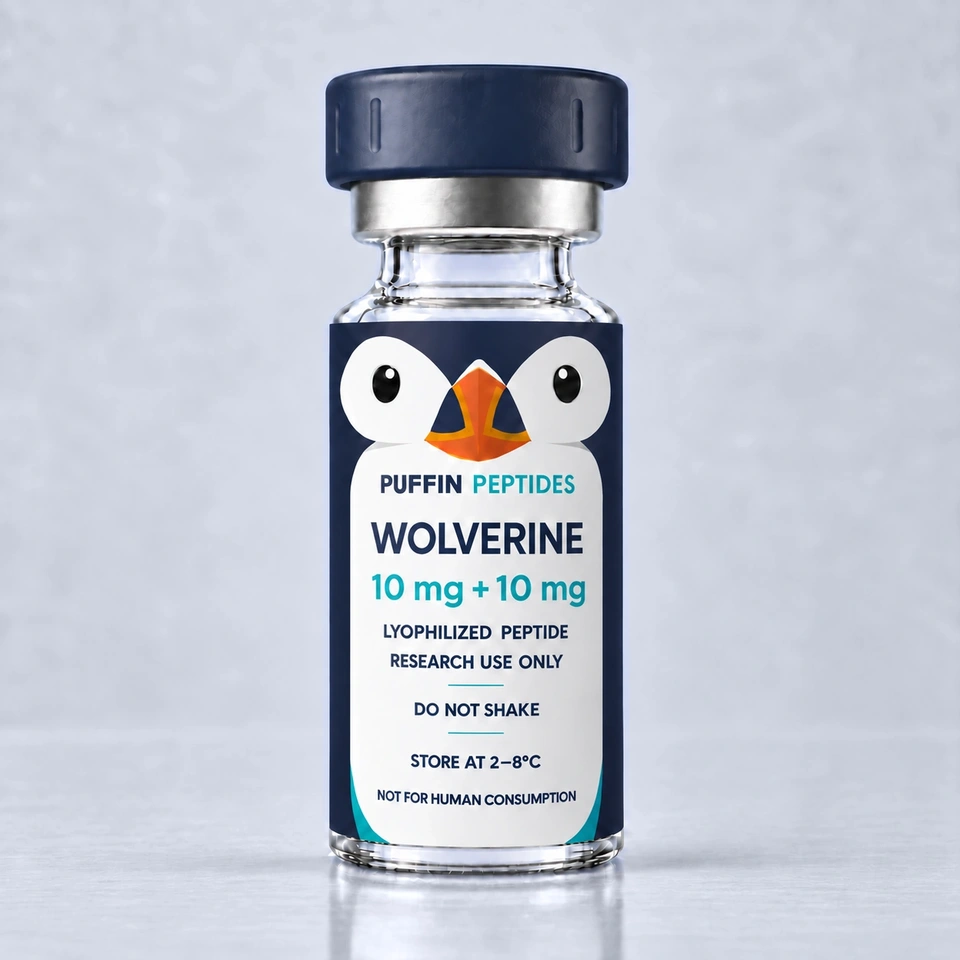
WOLVERINE is supplied as 10 mg + 10 mg of lyophilized powder in a sealed glass vial for laboratory research. Confirm the selected vial and batch details before preparation.

Selected strength10 mg + 10 mg
Purity99.94%
TestingHPLC-UV
BatchPP-LOT-007
+ Show Scientific Details− Hide Scientific Details
Compound typeMulti-compound research blend
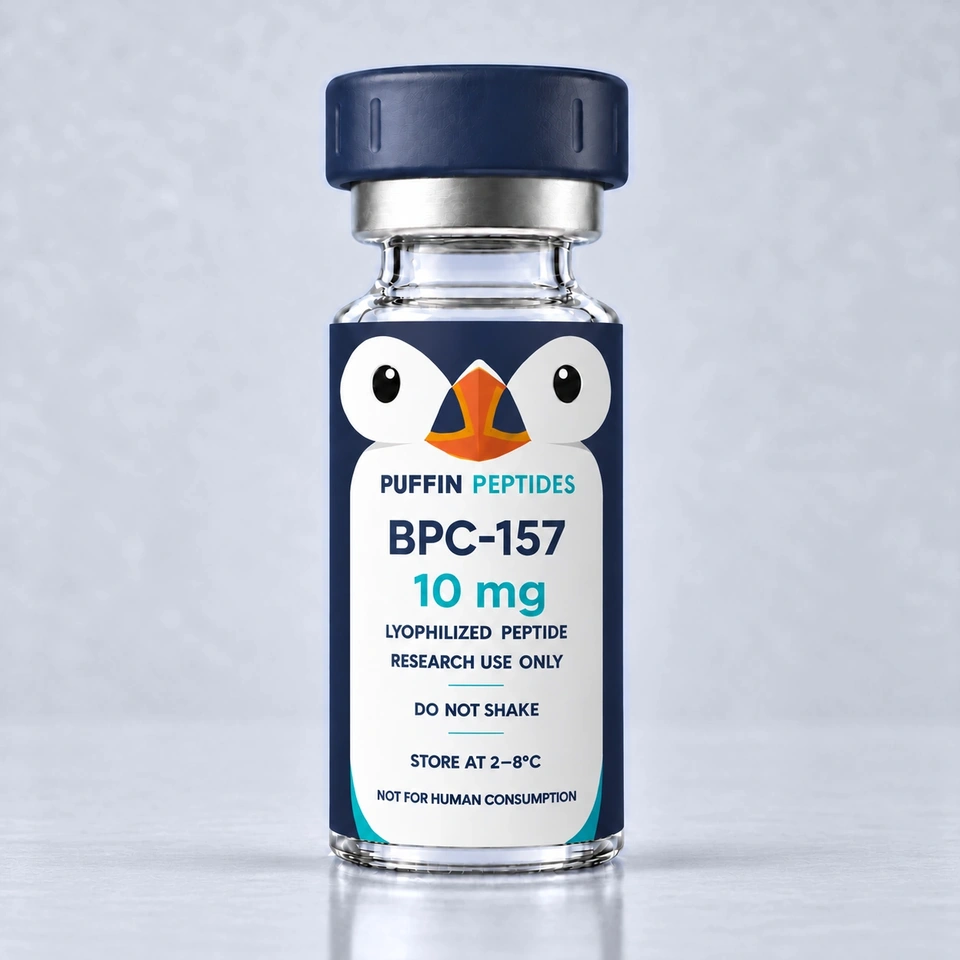
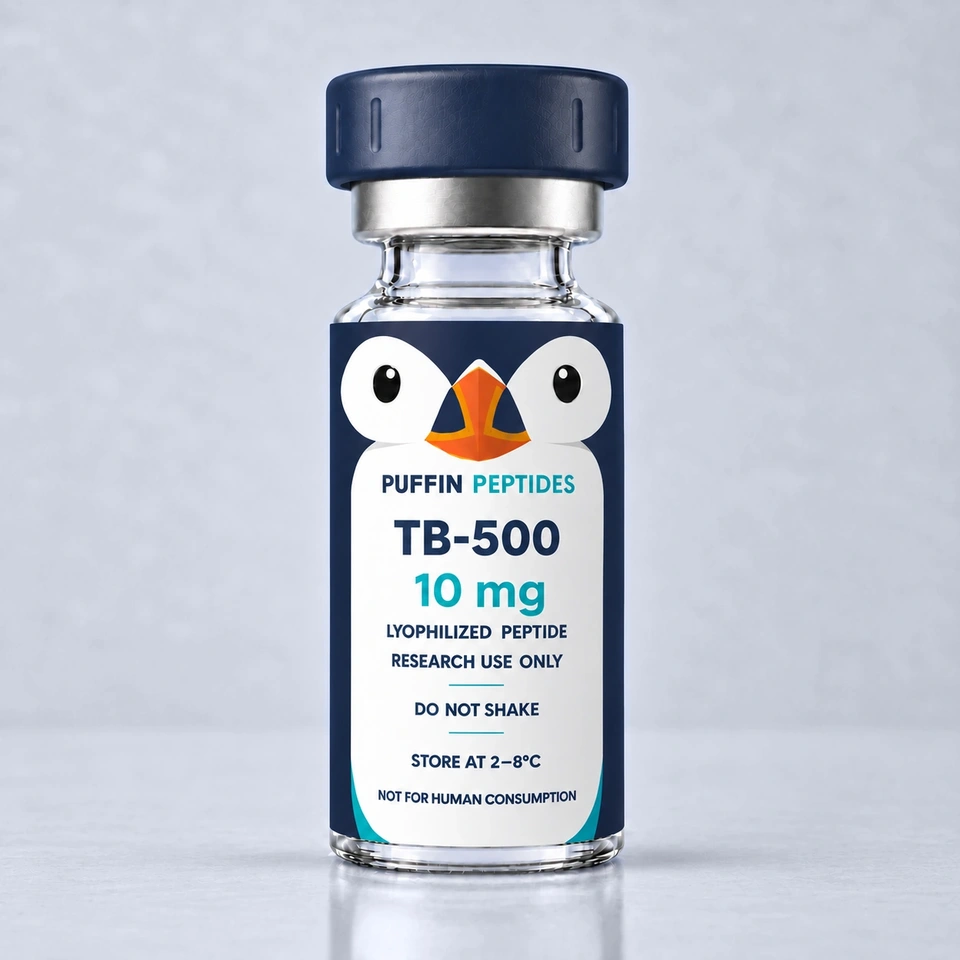
ComponentsBPC-157 + TB-500
Displayed composition10 mg + 10 mg
Research themesTissue-response · Cell migration · Repair models
Scientific profile

Wolverine combines BPC-157 with TB-500. Scientific identity and evidence belong to the individual components; the blend itself does not have one CAS number, molecular formula or molecular weight.

Product guide

WOLVERINE Explained

A clear, quick look at what WOLVERINE is, how it works, and why it is being studied.

What is Wolverine supposed to help with?

Wolverine is an all-in-one recovery blend for muscles, tendons, ligaments, joints, and other soft tissue. It combines BPC-157 and TB-500, two of the biggest names in recovery research.

Research Context

Wolverine combines BPC-157 with a TB-500/thymosin-beta-4-related recovery concept. Both components have experimental repair literature, but evidence for the finished combination must be distinguished from evidence for either ingredient individually. [1–3]

Why is it called Wolverine?

The name comes from the comic-book idea of fast healing. It is a memorable way to describe a blend built around repair and getting the body back to feeling capable.

Research Context

“Wolverine” is a product nickname, not a scientific or pharmacological category. Scientific claims should stay anchored to the individual components rather than implying unusually rapid healing in humans. [1–3]

Why put BPC-157 and TB-500 together?

BPC-157 brings focused tissue and tendon interest, while TB-500 adds broader cell movement and soft-tissue recovery. Think of one supporting the repair site and the other helping the repair team move in.

Research Context

The rationale is mechanistic complementarity: BPC-157 is studied across multiple injury models, while thymosin beta-4 is an actin-binding peptide associated with cell migration, angiogenesis and wound repair. A rationale for combining compounds is not proof of synergy in humans. [1–3]

Is Wolverine mainly for muscles or joints?

It is popular for both, along with tendons and ligaments. The point of the blend is broad recovery rather than choosing only one type of tissue.

Research Context

The underlying experimental literature spans muscle, tendon, ligament, skin and other repair models rather than one specific tissue. The finished blend itself has not been established as a tissue-specific therapy in controlled human trials. [1–3]

What might better recovery feel like?

Not a sudden rush. The goal is less stiffness, more comfortable movement, and feeling less held back when returning to regular activity.

Research Context

Recovery is best evaluated with defined endpoints such as tissue structure, pain, function, range of motion or return to activity. Subjective descriptions are useful for readability but are not validated outcomes for this blend. [1–3]

Is Wolverine stronger than BPC-157 alone?

It covers more ground because it contains two peptides with different recovery roles. That does not make every result automatic; it makes the formula broader than BPC-157 by itself.

Research Context

There is no robust head-to-head clinical evidence showing that the finished BPC-157/TB-500 blend is stronger than BPC-157 alone. The defensible distinction is that it contains two compounds with different experimental mechanisms. [1–3]

How is Wolverine different from Glow?

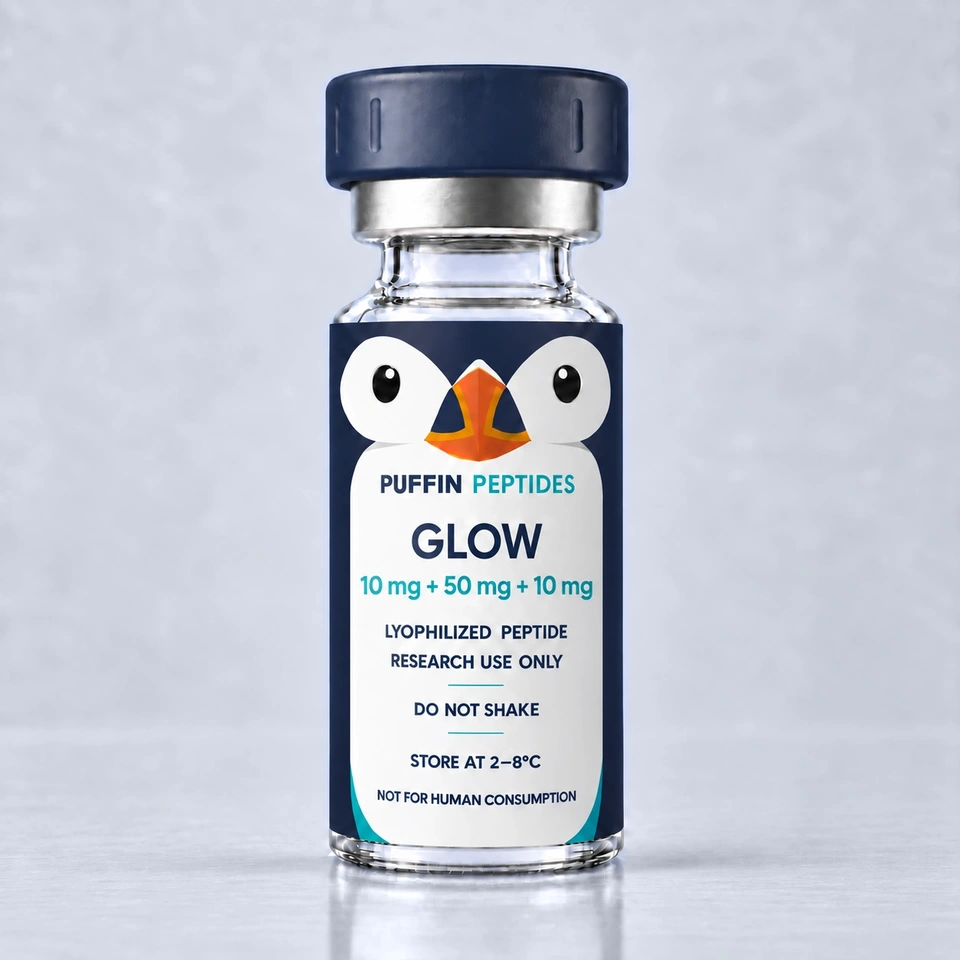
Wolverine stays focused on recovery with BPC-157 and TB-500. Glow adds GHK-Cu for people who also want the skin and collagen side of tissue renewal.

Research Context

Wolverine uses the BPC-157/TB-500 pairing; Glow adds GHK-Cu, a copper-binding peptide studied in collagen and extracellular-matrix remodelling. That compositional difference is factual, while comparative clinical superiority is unproven. [1–3]

How is Wolverine different from KLOW?

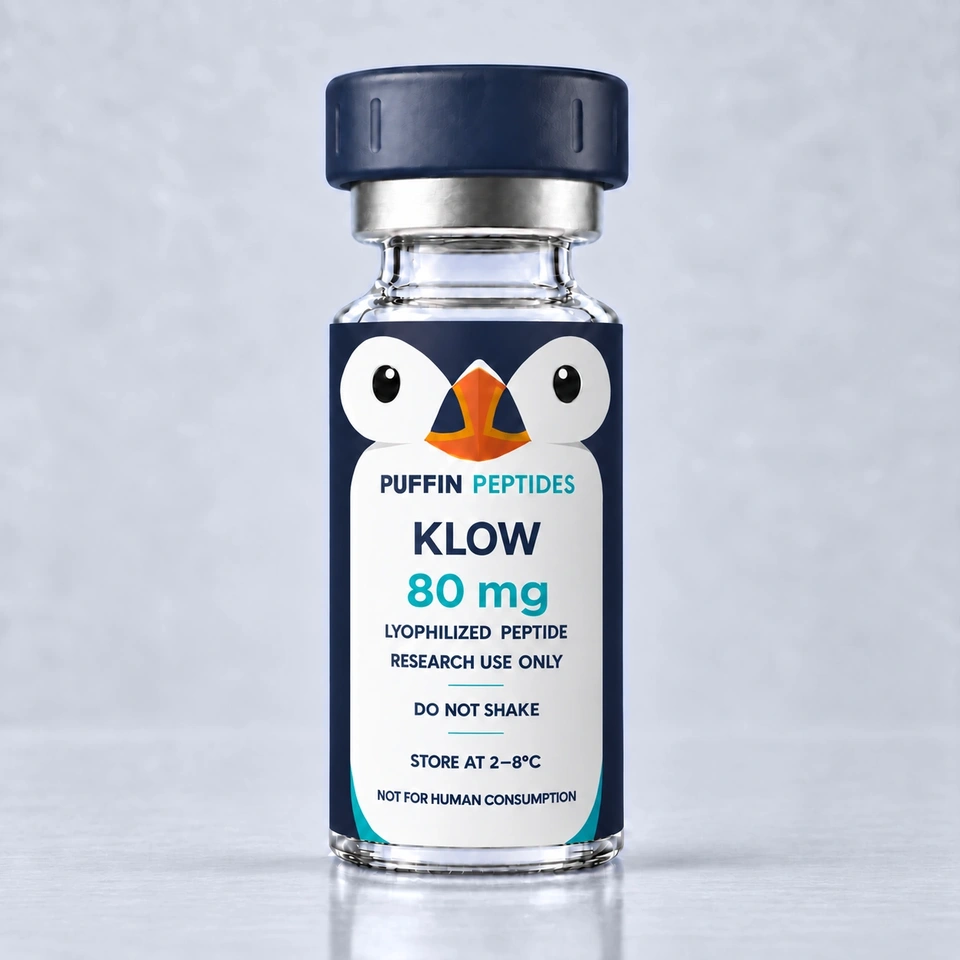
KLOW contains the same recovery pair, then adds GHK-Cu and KPV. Wolverine is the simpler recovery blend; KLOW expands toward skin, collagen, and inflammation.

Research Context

KLOW adds GHK-Cu and KPV to the BPC-157/TB-500 base, broadening the mechanistic themes toward matrix biology and inflammation. No direct clinical trial establishes that the four-component blend produces better outcomes. [1–3]

Read the full Wolverine evidence guideStudy design, primary sources, limitations, and unanswered questions.Open guide
Research-use statement

This product is offered for laboratory research only. It is not for human consumption and is not represented as a medicine, treatment, supplement or substitute for an approved product.

Preparation guide

Calculate. Prepare. Store.

Confirm the selected vial and BAC-water amount, then enter the selected amount from the combined blend.

Step 1: Calculate

The selected strength automatically opens with the easy starting rule of 1 mg = 10 units.

WOLVERINE · 10 mg + 10 mg selected · 20 mg combined

Total Vial Content
20mg

Easy rule: 1 mg = 10 units · Every 10 units = 1 mg

Calculated result
U-100 reading20 units2 mg at the current water amount

This calculator converts the values entered. It does not choose an amount.

Step 2: Prepare

This 20 mg combined-content vial opens with 2 mL of BAC water, creating the easy starting rule of 1 mg = 10 units.

If the water amount is changed above, use the updated easy rule shown by the calculator.

Do not shake the vialSlowly add the water down the inside wall of the vial, then gently swirl until fully dissolved.

Step 3: Store

Prepared vialsRefrigerate at 2–8°C

Unprepared vialsKeep cool and dry, away from heat, moisture, and direct sunlight

Shipping & delivery

Picked And Shipped Within 24 Hours.

Every order is prepared and packed in Canada with care, accuracy, and attention to detail. In-stock orders are checked and packed within 24 hours, then shipped with Canada Post. Tracking is sent after the parcel’s first carrier scan.

Bilingual Shipped by Canada Post logo with English to the left and French to the right

Customer Reviews

5.0★★★★★

2 customer reviews

Share your experience

Reviews are checked before publication. Your email is never displayed.

2 reviewsShowing 2
Lacey HughesVerified buyer
★★★★★
Puffin Peptides

Nice site and helpful chat bot. I’ll be back again.

Kimmy SonnVerified buyer
★★★★★
Puffin Peptides

I can’t believe it but I’ve lost 30lb. It’s been 3 months and felt compelled to write a review. I know it’s not Puffin I have to thank but their site came up in google and brought me here. Thank youuuuuu! <3

Reviews

There are no reviews yet.

Only logged in customers who have purchased this product may leave a review.

Product documentation

Batch Details

Uploaded documents10 mg + 10 mg
PDF · 10 mg + 10 mgPP-BPC-PLUS-TB-10-MG-R007.pdfPublished for WOLVERINE 10 mg + 10 mg
View document
ProductWOLVERINE
Strength10 mg + 10 mg
Catalogue codePP-BPC-PLUS-TB-10-MG
PresentationLyophilized powder in a sealed glass vial
StorageSee vial label and lot-specific documentation
Intended useLaboratory research only · not for human consumption

Only uploaded documents published for the selected vial strength are shown here.

Search the catalogue

What Are You Looking For?